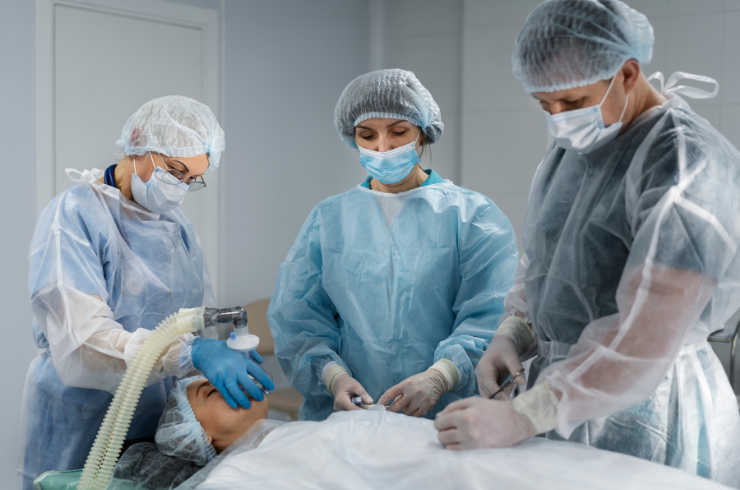
Esophageal Cancer Surgery
Esophageal Cancer Surgery is a specialized procedure in surgical oncology focused on treating cancer of the esophagus (food pipe). This condition can affect swallowing and nutrition, making early diagnosis and timely surgical treatment essential. With advancements in modern cancer surgery, patients can now benefit from safer procedures, improved survival rates, and better postoperative quality of life.
Conditions Treated
Esophageal cancer surgery is primarily performed for:
- Esophageal tumors (upper, middle, or lower esophagus)
- Gastro-esophageal junction cancers
- Pre-cancerous conditions like Barrett’s esophagus (advanced cases)
- Recurrent or locally advanced esophageal cancers
Each case is evaluated individually to determine the best surgical approach.
Types of Surgical Procedures
Depending on the stage and location of cancer, different surgical options are used:
- Esophagectomy – Removal of part or entire esophagus followed by reconstruction
- Minimally Invasive Esophagectomy (MIE) – Laparoscopic or thoracoscopic approach for faster recovery
- Transhiatal Esophagectomy – Surgery performed without opening the chest in selected cases
- Transthoracic Esophagectomy – Involves chest access for advanced tumors
- Lymph Node Dissection – Removal of affected lymph nodes to prevent cancer spread
These procedures aim for complete tumor removal with improved outcomes.
Advanced Surgical Techniques
Modern esophageal cancer treatment emphasizes precision and safety:
- Laparoscopic and minimally invasive surgery for reduced pain and quicker healing
- Reconstruction techniques using stomach or intestine to restore swallowing
- Enhanced recovery protocols for faster discharge and recovery
- Multidisciplinary approach combining surgery with chemotherapy or radiation when needed
These innovations ensure better survival and functional recovery.
Diagnostic & Pre-Surgical Evaluation
Accurate diagnosis is crucial for planning effective treatment:
- Endoscopy and biopsy for confirmation of cancer
- CT scan / PET scan for staging and spread evaluation
- Endoscopic ultrasound (EUS) for detailed tumor assessment
- Nutritional assessment to prepare patients for surgery
This comprehensive evaluation ensures safe and targeted surgical planning.
Postoperative Care & Recovery
Recovery after esophageal cancer surgery requires specialized care:
- Monitoring in ICU for initial recovery
- Nutritional support including feeding tubes if needed
- Pain management and infection control
- Gradual reintroduction of oral diet and swallowing rehabilitation
A dedicated care team ensures smooth recovery and improved quality of life.
Why Choose Expert Surgical Care
An experienced surgical oncologist plays a key role in successful outcomes. With expertise in complex esophageal surgeries, advanced infrastructure, and patient-focused care, treatment is delivered with precision and safety.
Key Benefits
- Effective removal of esophageal tumors
- Advanced minimally invasive surgical options
- Improved swallowing and nutritional outcomes
- Faster recovery with comprehensive postoperative care
Esophageal Cancer Surgery offers a life-saving solution with advanced techniques, expert care, and personalized treatment plans for better long-term outcomes.