
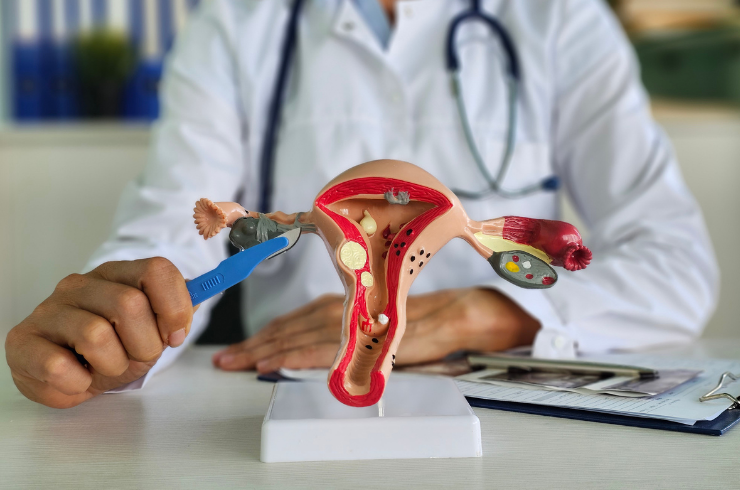
Gynecological Cancer Surgery is a specialized branch of surgical oncology focused on treating cancers of the female reproductive system, including the ovaries, uterus, cervix, and fallopian tubes. These cancers require early diagnosis and expert surgical management to ensure effective treatment and improved survival outcomes. With advancements in modern cancer surgery and minimally invasive techniques, patients benefit from safer procedures, faster recovery, and better quality of life.
Gynecological cancer surgery is performed for a wide range of cancers, including:
Each case is carefully evaluated to create a personalized treatment plan based on cancer stage and patient health.
Different surgical approaches are used to achieve complete tumor removal and prevent cancer spread:
These procedures ensure effective cancer control with focus on patient well-being.
Modern gynecological cancer treatment emphasizes precision and minimal trauma:
These innovations help deliver better clinical and functional outcomes.
Accurate diagnosis is essential for successful surgery:
This ensures safe, precise, and effective surgical planning.
Recovery after gynecological cancer surgery is managed with complete care:
Patients receive holistic care for faster healing and improved quality of life.
An experienced surgical oncologist ensures safe procedures, accurate tumor removal, and reduced complications. With expertise in advanced gynecological cancer surgeries, treatment is delivered with precision, compassion, and patient-centered care.
Gynecological Cancer Surgery provides effective, life-saving treatment with advanced technology, expert care, and personalized treatment strategies for better long-term outcomes.