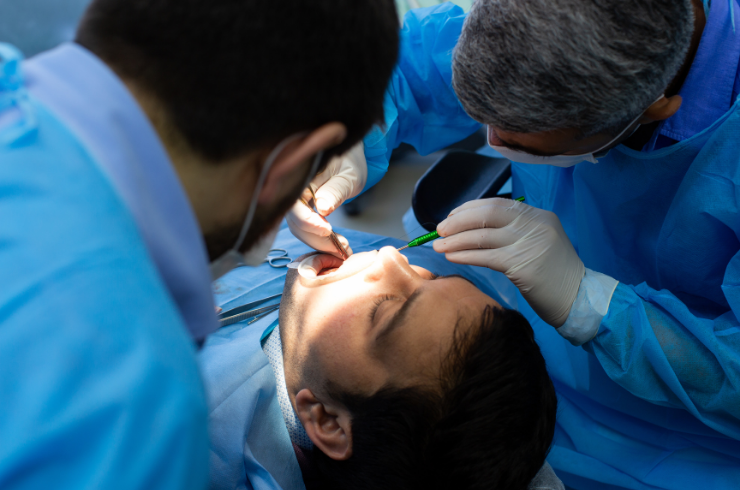
Direct Laryngoscopy
Direct Laryngoscopy is an advanced diagnostic procedure in oncology and ENT care used to examine the throat, voice box (larynx), and surrounding structures. It plays a crucial role in the early detection of head & neck cancers, vocal cord disorders, and other abnormalities. This procedure allows doctors to directly visualize affected areas and perform biopsies if needed, ensuring accurate diagnosis and timely cancer treatment.
Conditions Evaluated
Direct laryngoscopy is recommended for diagnosing and assessing:
- Laryngeal (voice box) cancer
- Throat tumors and growths
- Vocal cord lesions or nodules
- Persistent hoarseness or voice changes
- Difficulty in swallowing or breathing
Early evaluation helps in prompt diagnosis and effective treatment planning.
Procedure Details
Direct laryngoscopy is performed using a specialized instrument called a laryngoscope:
- Conducted under local or general anesthesia depending on the case
- A rigid or flexible scope is inserted through the mouth or nose
- Provides a clear, magnified view of the throat and vocal cords
- Enables biopsy or tissue sampling if abnormalities are found
The procedure is quick, safe, and highly effective for accurate diagnosis.
Advanced Diagnostic Techniques
Modern laryngoscopy procedures are enhanced with advanced technology:
- High-definition imaging for detailed visualization
- Video-assisted laryngoscopy for better assessment
- Targeted biopsy techniques for precise tissue sampling
- Minimally invasive approach for patient comfort
These advancements ensure high accuracy and reliability in diagnosis.
Pre-Procedure Evaluation
Before performing direct laryngoscopy, patients undergo:
- Clinical examination and symptom assessment
- Imaging tests like CT scan or MRI if required
- Blood tests and fitness evaluation
- Instructions regarding fasting or medication
This preparation ensures a safe and well-planned procedure.
Postoperative Care & Recovery
Recovery after direct laryngoscopy is usually quick and smooth:
- Short observation period after the procedure
- Mild throat discomfort or hoarseness may occur temporarily
- Patients can usually resume normal activities within a day
- Follow-up consultation for biopsy results and further treatment
Proper care ensures comfortable recovery and timely next steps.
Importance in Cancer Diagnosis
Direct laryngoscopy plays a vital role in early cancer detection:
- Helps identify abnormal growths at an early stage
- Allows accurate biopsy and confirmation of cancer
- Assists in planning surgical or non-surgical treatments
- Improves chances of successful treatment outcomes
Why Choose Expert Care
With expertise in head & neck cancer diagnosis, advanced equipment, and patient-focused care, this procedure is performed with precision, safety, and comfort.
Key Benefits
- Early detection of throat and laryngeal cancers
- Accurate and direct visualization of affected areas
- Minimally invasive and safe procedure
- Quick recovery with reliable diagnostic results
Direct Laryngoscopy is a critical diagnostic tool in modern oncology, enabling early detection and effective management of throat and voice-related conditions.