Flexible Bronchoscopy
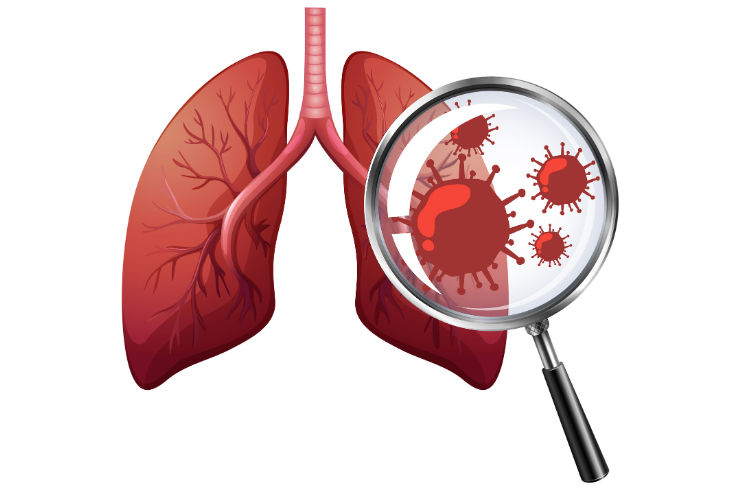
Flexible Bronchoscopy is a minimally invasive diagnostic procedure in oncology and pulmonary care used to examine the airways, lungs, and bronchial tubes. It plays a crucial role in the early detection of lung cancer, infections, and other respiratory conditions. Using a thin, flexible tube with a camera, doctors can visualize internal structures and collect samples, ensuring accurate diagnosis and timely cancer treatment.
Conditions Evaluated
Flexible bronchoscopy is recommended for diagnosing and assessing:
- Lung cancer and bronchial tumors
- Persistent cough or unexplained breathing issues
- Blood in sputum (hemoptysis)
- Lung infections or inflammation
- Abnormal findings on chest X-ray or CT scan
Early evaluation supports timely diagnosis and effective treatment planning.
Procedure Details
Flexible bronchoscopy is performed using a bronchoscope:
- Conducted under local anesthesia with sedation
- A flexible tube is inserted through the nose or mouth into the lungs
- Provides real-time visualization of airways and lung structures
- Allows biopsy, fluid sampling, or removal of blockages
The procedure is safe, quick, and highly effective for accurate lung diagnosis.
Advanced Diagnostic Techniques
Modern bronchoscopy procedures use advanced technology for better outcomes:
- High-definition video imaging for clear visualization
- Targeted biopsy techniques for precise tissue sampling
- Bronchoalveolar lavage (BAL) for infection and cancer detection
- Minimally invasive approach ensuring patient comfort
These advancements ensure high accuracy and reliable results.
Pre-Procedure Evaluation
Before undergoing flexible bronchoscopy, patients are evaluated with:
- Detailed medical history and physical examination
- Imaging tests like chest X-ray or CT scan
- Blood tests and oxygen level assessment
- Instructions regarding fasting and medications
This ensures a safe and well-prepared procedure.
Postoperative Care & Recovery
Recovery after flexible bronchoscopy is usually quick:
- Short observation period after the procedure
- Temporary throat irritation or mild cough may occur
- Patients can resume normal activities within 24 hours
- Follow-up for biopsy or test results
Proper care ensures smooth recovery and timely diagnosis.
Importance in Cancer Diagnosis
Flexible bronchoscopy is essential for early lung cancer detection:
- Identifies abnormal growths in lungs and airways
- Enables accurate biopsy and cancer confirmation
- Helps in staging and treatment planning
- Improves chances of successful cancer treatment outcomes
Why Choose Expert Diagnostic Care
With expertise in oncology diagnostics and pulmonary procedures, advanced equipment, and patient-focused care, flexible bronchoscopy is performed with precision, safety, and comfort.
Key Benefits
- Early detection of lung cancer and airway diseases
- Minimally invasive and safe diagnostic procedure
- Accurate biopsy and sample collection
- Quick recovery with reliable results
Flexible Bronchoscopy is a vital tool in modern cancer diagnosis, ensuring early detection and effective management of lung and airway conditions for better patient outcomes.