
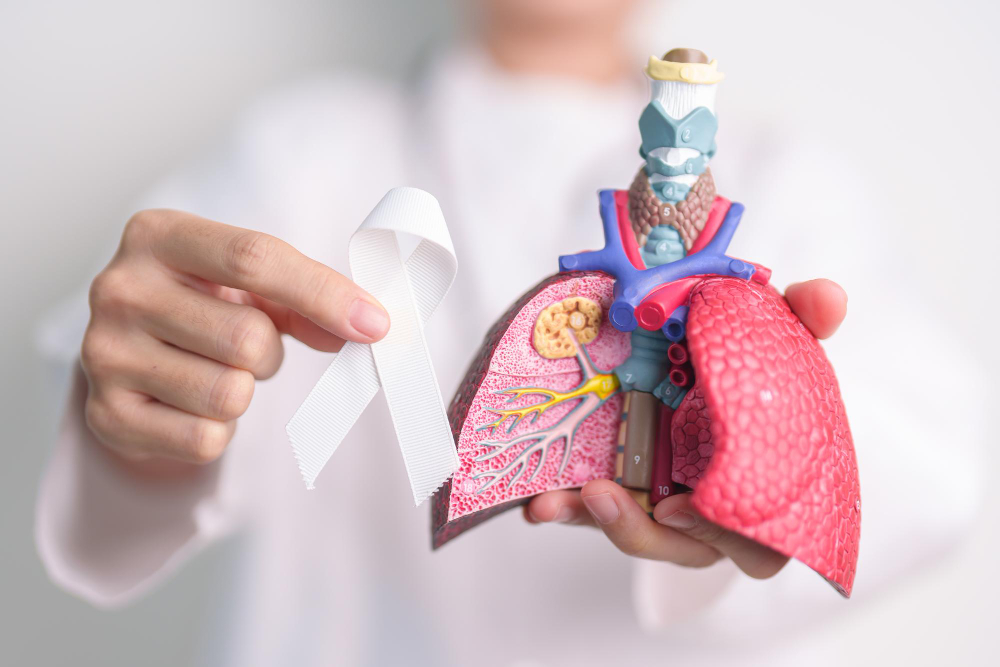
What Is Lung Cancer?
Lung cancer happens when cells in the lungs grow out of control. These cells form a lump called a tumor. Over time, the tumor can spread to other parts of the body. Because lung cancer can be serious, it is important to know the risks. According to the World Health Organization (WHO), lung cancer is one of the most common cancers worldwide. However, early detection and understanding lung cancer risks can help save lives.
Common Symptoms of Lung Cancer
Often, lung cancer does not cause symptoms in the early stages. Still, some warning signs may appear as the disease grows. For example, you should watch for:
Because these symptoms can be caused by other problems, it is important to see a doctor if you notice them. Early detection can make a big difference.
Major Risk Factors for Lung Cancer
Many things can increase your risk of lung cancer. Knowing these lung cancer risks can help you make safer choices. The main risk factors include:
Because some risks can be controlled, making healthy choices is important.
How Is Lung Cancer Diagnosed?
Doctors use several tests to find lung cancer. First, they may ask about your symptoms and medical history. Next, they may order imaging tests, such as a chest X-ray or CT scan. If they see something unusual, they may take a small sample of tissue, called a biopsy, to check for cancer cells. Sometimes, doctors use blood tests or other scans to see if the cancer has spread. Early diagnosis can lead to better treatment outcomes.
Treatment Options for Lung Cancer
Treatment depends on the type and stage of lung cancer. Your doctor will discuss the best plan for you. Common treatments include:
Because every person is different, your doctor will help choose the right treatment for you.
Prevention Tips and Lifestyle Guidance
While not all lung cancer risks can be avoided, you can lower your risk by making healthy choices. For example:
Because prevention is key, these steps can help protect your health.
The Importance of Early Detection
Finding lung cancer early gives you the best chance for a cure. For people at high risk, such as long-term smokers, regular screening with a low-dose CT scan may help. According to the Centers for Disease Control and Prevention (CDC), early detection can save lives. If you notice any symptoms or have risk factors, talk to your doctor right away.
Take Action for Your Health
Lung cancer risks are real, but you can take steps to protect yourself. Learn the signs, avoid known risks, and get regular check-ups. Consult a healthcare specialist Ved Prakash Kalra for personalized advice on lung cancer risks and prevention.