
Introduction
Esophageal cancer is a serious disease that affects the tube connecting your mouth to your stomach. Often, one of the first signs is trouble swallowing. Because difficulty swallowing is never a symptom to ignore, it is important to know what to watch for. Early detection can save lives. If you notice any changes, you should seek help quickly.
What Is Esophageal Cancer?
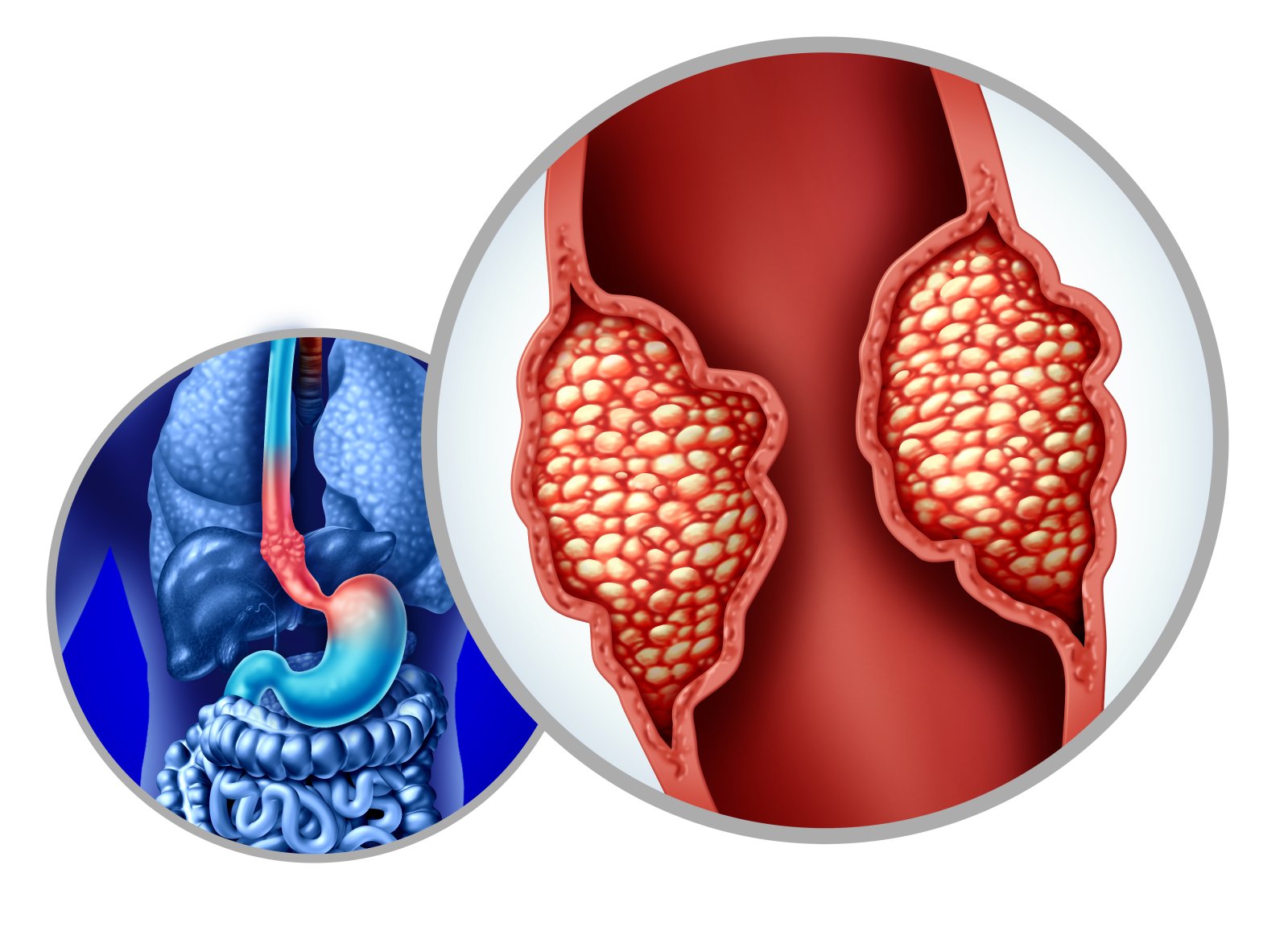
Esophageal cancer starts in the lining of the esophagus. The esophagus is the tube that carries food and liquids from your mouth to your stomach. Cancer cells can grow and block this passage. As a result, swallowing becomes hard. Over time, the cancer can spread to other parts of the body. Early treatment works best, so knowing the signs is key.
Why Difficulty Swallowing (Dysphagia) Matters
Difficulty swallowing, also called dysphagia, is a common early sign of esophageal cancer. At first, you may find it hard to swallow solid foods. Later, even liquids can be tough to swallow. Because this symptom can signal a serious problem, you should never ignore it. Sometimes, people think it is just heartburn or aging. However, if it lasts more than a few days, you should talk to a doctor.
Common Symptoms of Esophageal Cancer
Besides trouble swallowing, esophageal cancer can cause other symptoms. Not everyone will have all of these, but you should watch for:
Because these symptoms can be caused by other conditions, it is important to get checked if they persist.
Causes and Risk Factors
Several things can raise your risk for esophageal cancer. Some you can control, while others you cannot. For example, smoking and heavy drinking increase your risk. Long-term acid reflux or a condition called Barrett’s esophagus also make cancer more likely. Age is another factor, as most cases happen in people over 50. Family history can play a role, too. Knowing your risks can help you make healthy choices.
How Esophageal Cancer Is Diagnosed
If you have symptoms, your doctor may suggest tests. These can include:
Early diagnosis gives you more treatment options and a better chance of recovery.
Treatment Options
Treatment depends on the stage of the cancer and your overall health. Options may include:
Your doctor will help you choose the best plan for you. Sometimes, treatments are combined for better results.
Prevention and Lifestyle Tips
While not all cases can be prevented, you can lower your risk by:
Because healthy habits matter, start making changes today.
When to Seek Medical Help
If you or a loved one has trouble swallowing, do not wait. Especially if the problem lasts more than a few days, you should see a doctor. Other warning signs include unexplained weight loss, chest pain, or ongoing heartburn. Early action can make a big difference. Remember, difficulty swallowing is never a symptom to ignore.
Conclusion and Call-to-Action
Esophageal cancer can be a serious condition, and symptoms like difficulty swallowing should never be ignored. Early evaluation and timely treatment can make a significant difference in outcomes. At Krishna Super Speciality Hospital, our specialists provide expert diagnosis, advanced treatment options, and personalized care for cancer-related concerns. If you or your loved one experiences persistent swallowing difficulties, consult our healthcare experts for guidance.