
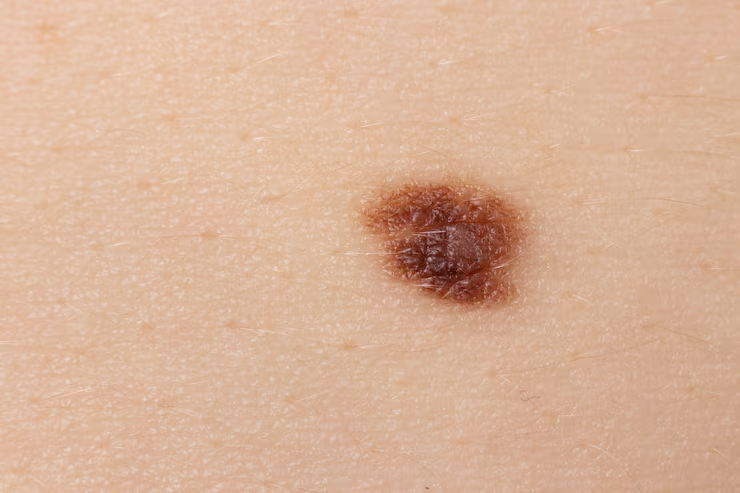
What is Melanoma?
Melanoma is a serious type of skin cancer. It starts in the cells that give skin its color. These cells are called melanocytes. Although melanoma is less common than other skin cancers, it can spread quickly. Early detection is very important. According to the World Health Organization, melanoma cases are rising worldwide. This makes awareness and prevention even more important.
Common Symptoms of Melanoma
Melanoma often begins as a new spot on the skin. Sometimes, it can also develop in an existing mole. However, not all changes mean cancer. Still, it is wise to watch for warning signs. The ABCDE rule can help you spot changes:
In addition, you may notice itching, bleeding, or a sore that does not heal. If you see any of these signs, it is best to talk to a doctor soon.
Causes and Risk Factors
Melanoma develops when skin cells are damaged and grow out of control. Most often, this damage comes from ultraviolet (UV) rays. These rays come from the sun or tanning beds. However, some people are at higher risk than others. Common risk factors include:
Even so, anyone can get melanoma. Therefore, everyone should protect their skin.
How Melanoma is Diagnosed
Doctors use several steps to diagnose melanoma. First, they will check your skin for unusual spots. If they find something suspicious, they may remove a small sample. This is called a biopsy. The sample is then checked under a microscope. If melanoma is found, more tests may be needed. These tests help see if the cancer has spread. For example, doctors may use blood tests or scans. Early diagnosis gives the best chance for a cure.
Treatment Options for Melanoma
Treatment depends on the stage of melanoma. For early cases, surgery can often remove the cancer. If melanoma has spread, other treatments may be needed. These can include:
Your doctor will discuss the best plan for you. New treatments are improving survival rates every year.
Prevention Tips and Lifestyle Guidance
While not all cases can be prevented, you can lower your risk. Here are some simple tips:
In addition, teach children about sun safety early. Healthy habits can last a lifetime.
When to See a Doctor
If you notice a new spot or a change in a mole, see a doctor soon. Early action can save lives. Also, if you have a family history of skin cancer, regular check-ups are important. Your doctor can guide you on how often to get screened. Remember, it is always better to be safe and get checked early.
For personalized advice about melanoma, consult a healthcare specialist at Krishna Super Speciality Hospital. Early care and awareness make a big difference.