
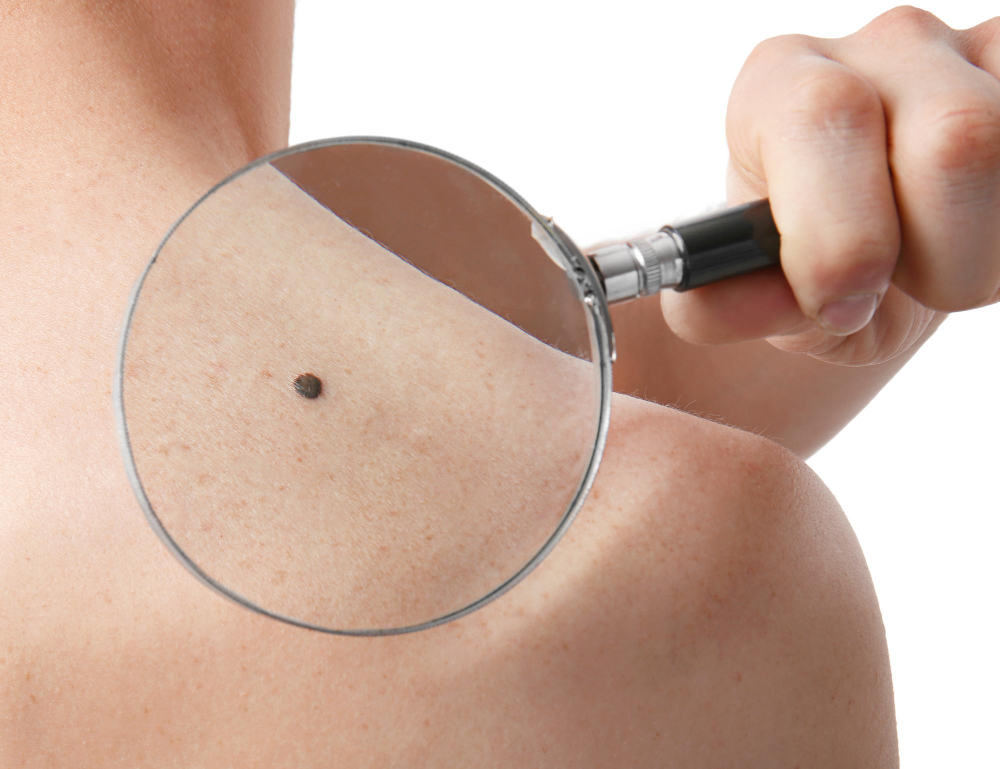
What Is Skin Cancer?
Skin cancer is a disease where skin cells grow out of control. It is the most common type of cancer worldwide. Because it often starts on the skin’s surface, you can usually spot it early. There are several types, but the most common are basal cell carcinoma, squamous cell carcinoma, and melanoma. Each type can look different. However, all types need quick attention. According to the World Health Organization (WHO), millions of new cases are found each year. Early detection can make treatment easier and more successful.
Common Symptoms of Skin Cancer
Knowing the signs of skin cancer helps you find it early. Not every spot or mole is cancer. Still, you should watch for changes. For example, you may notice:
Because these signs can look like other skin problems, it is important to check your skin often. If you see anything unusual, talk to a doctor.
Major Causes and Risk Factors
Many things can increase your risk of skin cancer. Sun exposure is the main cause. Ultraviolet (UV) rays from the sun or tanning beds can damage skin cells. Over time, this damage can lead to cancer. Other risk factors include:
Even if you do not have these risks, you should still protect your skin. The Centers for Disease Control and Prevention (CDC) says everyone is at some risk.
How to Detect Skin Cancer Early
Early detection saves lives. Therefore, check your skin once a month. Use a mirror to look at all areas, even your back and scalp. Look for new spots or changes in old moles. The “ABCDE” rule can help you spot warning signs:
If you notice any of these signs, see a healthcare professional. They can check your skin and suggest next steps. In addition, regular check-ups with a dermatologist are helpful, especially if you have risk factors.
Effective Ways to Protect Your Skin
Protecting your skin can lower your risk of skin cancer. Here are some simple tips:
In sunny places or at high altitudes, UV rays are stronger. Therefore, take extra care to protect your skin. Even on cloudy days, UV rays can reach your skin.
When to See a Doctor
If you notice any new or changing spots on your skin, do not wait. See a doctor or dermatologist as soon as possible. Early treatment can stop skin cancer from spreading. In addition, if you have a family history of skin cancer, schedule regular skin checks. Your doctor can help you make a plan for prevention and early detection.
If you notice any new or changing spots on your skin, consult Dr. Ved Prakash Kalra at Krishna Super Specialty Hospital. Our expert team provides personalized evaluation, early detection, and guidance on skin cancer prevention. Schedule your consultation today for proactive care.