
Introduction
Stomach cancer is a serious disease that affects many people worldwide. If you have persistent indigestion, it could be an early sign of stomach cancer. While most indigestion is harmless, ongoing discomfort may mean your stomach needs help. Early signs of stomach cancer can be easy to miss. However, paying attention to your stomach health can make a big difference. In this blog, you will learn about stomach cancer, its symptoms, and how to protect your stomach.
What Is Stomach Cancer?
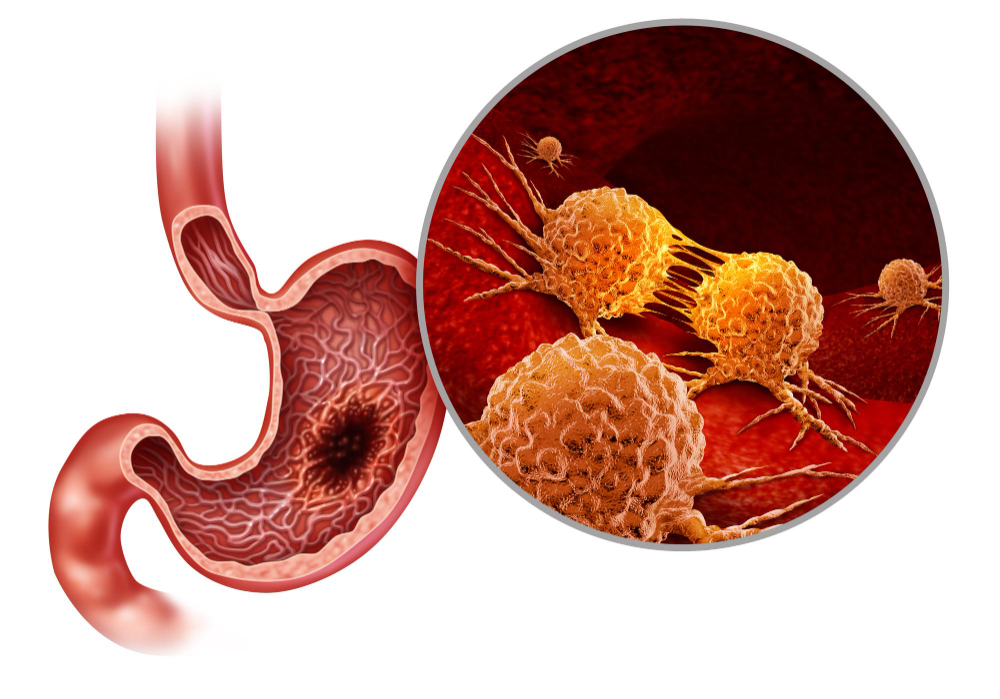
Stomach cancer, also called gastric cancer, starts in the lining of the stomach. Over time, cancer cells can grow and spread to other parts of the body. Although it is less common than some other cancers, it can be very serious. According to the World Health Organization (WHO), stomach cancer is one of the leading causes of cancer deaths worldwide. Early detection is key to better outcomes.
How Indigestion Can Signal Stomach Cancer
Indigestion, or an upset stomach, is common. Most people feel it after eating spicy or fatty foods. But, if your indigestion lasts for weeks or keeps coming back, it may be a warning sign. Sometimes, persistent indigestion is one of the early signs of stomach cancer. For example, you may feel full quickly or have mild pain that does not go away. Because these symptoms can be mild, many people ignore them. Yet, it is important to listen to your body and seek help if symptoms last too long.
Common Symptoms to Watch For
Stomach cancer can cause many symptoms. Some are easy to overlook. However, knowing what to watch for can help you catch problems early. Look out for:
If you notice any of these symptoms, especially if they last more than two weeks, talk to a doctor. Early signs of stomach cancer can be subtle, so do not ignore ongoing stomach problems.
Causes and Risk Factors
Many things can increase your risk of stomach cancer. Some you can control, while others you cannot. Common risk factors include:
Although you cannot change your age or family history, you can make healthy choices to lower your risk. For example, quitting smoking and eating more fresh fruits and vegetables can help.
Diagnosis: How Doctors Detect Stomach Cancer
Doctors use several tests to find out if you have stomach cancer. First, they will ask about your symptoms and medical history. Next, they may do a physical exam. If needed, your doctor may order tests such as:
Early diagnosis gives you the best chance for successful treatment. Therefore, do not delay seeing a doctor if you have ongoing symptoms.
Treatment Options
Treatment for stomach cancer depends on the stage and your overall health. Common treatments include:
Your doctor will discuss the best plan for you. Sometimes, a team of specialists will work together to provide care. Early treatment can improve your chances of recovery.
Lifestyle Tips for Stomach Health
Taking care of your stomach can help prevent problems. Here are some simple tips:
Even small changes can make a big difference in your stomach health. For example, adding more fiber to your meals can help digestion.
Prevention: How to Lower Your Risk
While you cannot prevent all cases of stomach cancer, you can lower your risk. Try these steps:
In addition, talk to your doctor if you have a family history of stomach cancer. They may suggest extra screening or tests.
Conclusion
Persistent indigestion should not be ignored. Sometimes, it can be an early sign of stomach cancer. If you have ongoing indigestion or stomach discomfort, consult Dr. Ved Prakash Kalra for personalized advice. Early action can protect your health and give you peace of mind.